How to Safely Pack and Ship Fragile Items Using Foam Inserts


Understanding the Importance of Proper Packaging
Shipping fragile items can be a daunting task, especially when you're dealing with delicate materials like glass, ceramics, or electronics. The primary goal is to ensure that your items arrive at their destination in one piece. One of the best ways to achieve this is by using foam inserts, which provide excellent cushioning and protection during transit.
Foam inserts are designed to absorb shocks and vibrations, making them an ideal choice for fragile items. Their ability to conform to the shape of the object they are protecting ensures a snug fit, reducing the risk of movement and damage.
Selecting the Right Foam Inserts
There are various types of foam inserts available, each with distinct properties. Selecting the right type of foam is crucial for ensuring maximum protection. Common options include:
- Polyurethane Foam: Known for its flexibility and cushioning properties, suitable for lightweight items.
- Polyethylene Foam: Offers excellent shock absorption and is ideal for heavier items.
- Ethafoam: A type of polyethylene foam that provides high resistance to impact and is perfect for sensitive electronics.
Consider the weight, size, and fragility of your item when choosing the foam insert. It's important that the foam insert fits snugly around your product without being too tight or too loose.
Preparing Your Items for Packing
Before placing your items in the box, take some time to prepare them properly. Start by cleaning the item to remove any dust or debris that might scratch or damage it during transit. If your item has loose parts, secure them with tape or string to prevent movement.
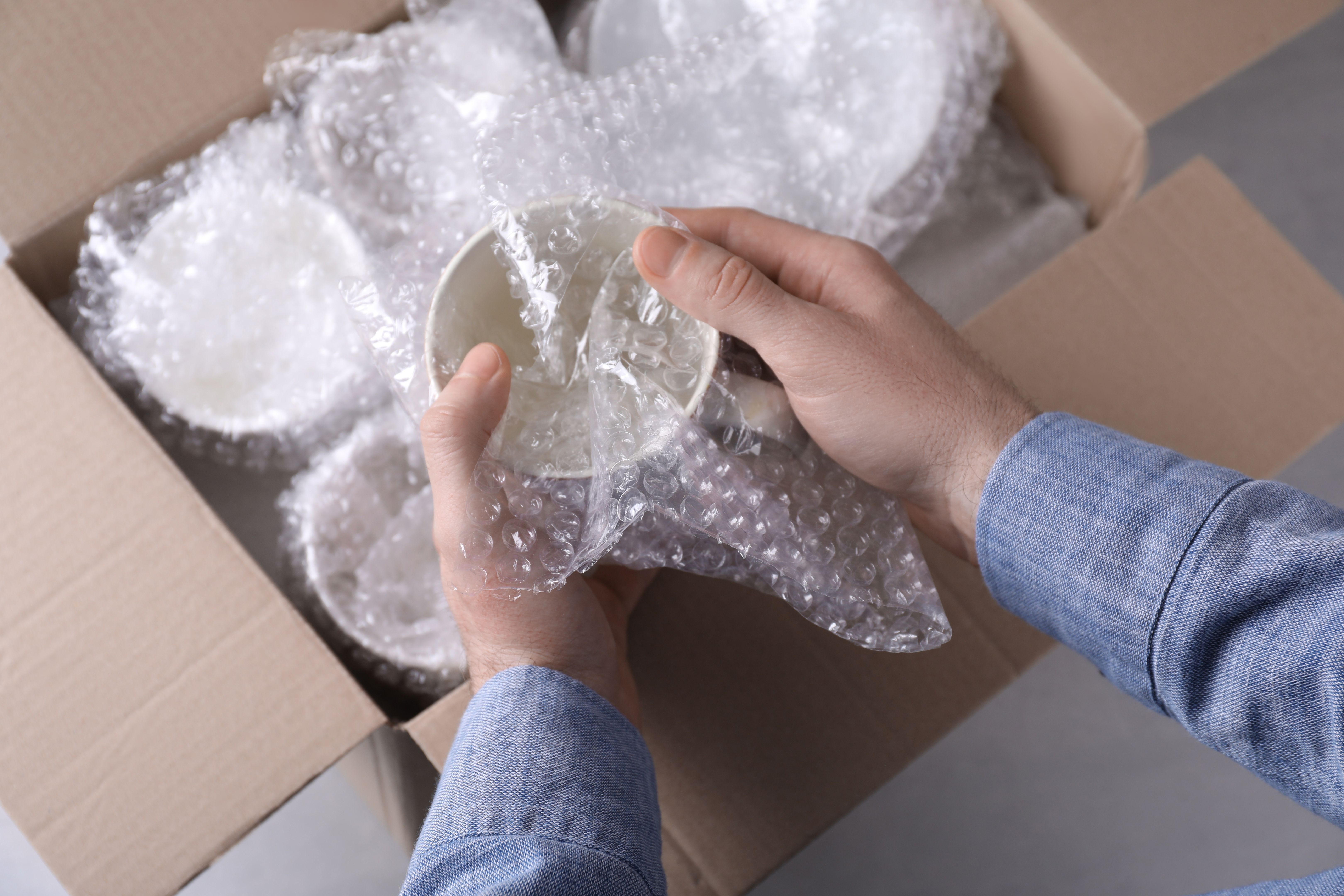
For items with sharp edges or corners, consider adding an extra layer of protection with bubble wrap or additional foam padding. This will help prevent punctures or tears in the packaging.

Arranging Foam Inserts in the Shipping Box
Once your item is prepared, it's time to arrange the foam inserts in the shipping box. Start by placing a layer of foam at the bottom of the box to create a base cushion. Then, position your item in the center of the box, ensuring it does not touch the sides.
Next, add foam inserts around the sides and top of your item. This will help to immobilize it and provide protection from all angles. Be sure that there are no gaps between the foam inserts and your item.
Securing and Sealing Your Package
After arranging the foam inserts, close the box and give it a gentle shake to ensure there is no movement inside. If you detect any motion, add more foam inserts until your item is completely secure.
Once satisfied, seal the box with strong packing tape. Reinforce all seams and edges to prevent the box from opening during transit. Consider using a "Fragile" label on the outside of the box to alert handlers to treat it with care.

Choosing a Reliable Shipping Method
The final step in safely shipping fragile items is selecting a reliable shipping method. Opt for a service that offers tracking and insurance options, providing peace of mind in case of any unforeseen circumstances.
Additionally, choose a shipping company known for handling fragile packages with care. Research customer reviews and ratings to make an informed decision about which carrier is best suited for your needs.
Monitoring Your Shipment
Once your package is shipped, keep track of its progress using the provided tracking information. This allows you to anticipate any potential delays and stay informed about its estimated delivery date.
If any issues arise during transit, contact the shipping company promptly to resolve them. By staying proactive, you can ensure a smooth delivery process and protect your fragile items effectively.