Transforming Logistics: The Latest Trends in Pallet Design and Technology


Introduction
The logistics industry is undergoing a significant transformation, driven by innovations in pallet design and technology. As businesses strive for greater efficiency and sustainability, pallet manufacturers are responding with new materials, smarter designs, and advanced technologies to meet evolving demands.
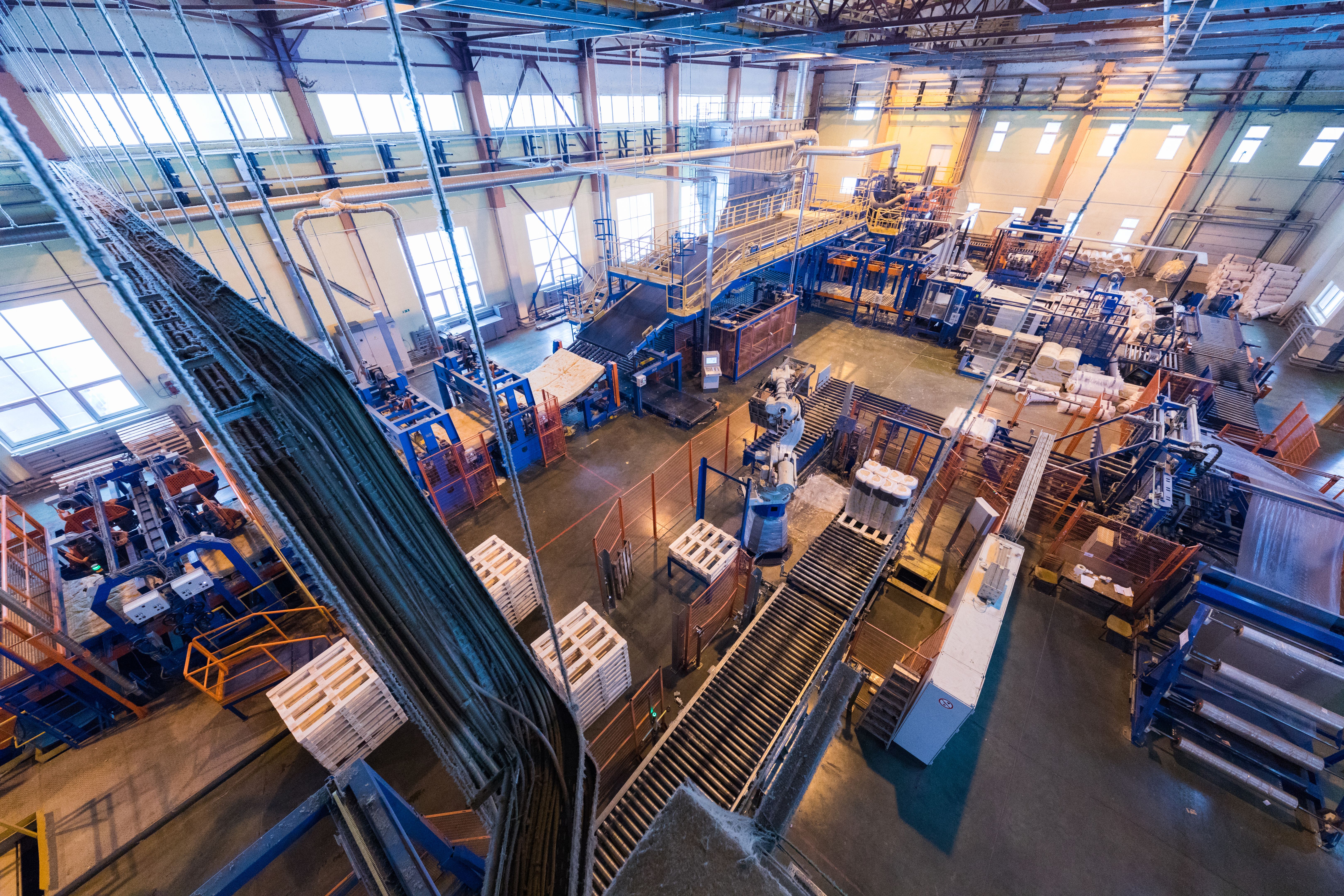
Innovative Materials
One of the most notable trends in pallet design is the use of innovative materials. Traditional wooden pallets are being replaced or supplemented by alternatives such as plastic, metal, and composite materials. These new materials offer several advantages, including increased durability, lighter weight, and improved hygiene.
Plastic pallets, for example, are resistant to moisture and chemicals, making them ideal for industries such as pharmaceuticals and food. They are also reusable and recyclable, contributing to a more sustainable supply chain.
Smart Pallets
As technology continues to evolve, so does the integration of smart technology into pallet design. Smart pallets are equipped with sensors and IoT devices that allow for real-time tracking and monitoring. This technology provides valuable data on location, temperature, and handling conditions, ensuring that goods are transported safely and efficiently.

Businesses can leverage this data to optimize their supply chains, reduce losses, and improve customer satisfaction. The ability to track pallets in real-time also enhances security and helps prevent theft or loss.
Ergonomic and Lightweight Designs
Another trend in pallet design is the focus on ergonomics and weight reduction. Lightweight pallets reduce the overall weight of shipments, leading to lower transportation costs and reduced carbon emissions. These designs are also easier to handle, reducing the risk of workplace injuries.
Ergonomic features, such as rounded edges and non-slip surfaces, make pallets safer and more user-friendly. These improvements enhance the efficiency of loading and unloading processes, saving time and resources.

Sustainability in Pallet Design
Sustainability is a key consideration in modern pallet design. Manufacturers are exploring eco-friendly materials and production processes to minimize environmental impact. Recycled and recyclable materials are becoming more prevalent, and closed-loop systems are being implemented to ensure that pallets are reused and repurposed.
This shift towards sustainability aligns with broader industry goals to reduce waste and carbon footprints, making pallet design a crucial component of green logistics strategies.
Conclusion
The latest trends in pallet design and technology are revolutionizing the logistics industry. By adopting innovative materials, smart technology, ergonomic designs, and sustainable practices, businesses can achieve greater efficiency, safety, and environmental responsibility.
As these trends continue to evolve, the future of logistics looks promising, with pallets playing a pivotal role in shaping a more efficient and sustainable supply chain.